“Ecuador Galapagos Islands” search results (200)

Introduction to the characteristics of coffee flavor varieties in Hassanda Coffee Garden of Ecuador with balanced acidity
Between Colombia and Peru, Ecuador, which passes through the equator, is one of the few countries in South America that produces both Arabica and robastian coffee. In fact, Ecuador means the Spanish equator. Due to the use of old-fashioned traditional harvesting and handling methods, Ecuadorian coffee is not listed as a boutique coffee, so it is generally rarely seen.
2016-09-24 Acidity balance Ecuador Hasenda coffee garden coffee flavor variety producing area
Flavor and taste characteristics of coffee manor in Ecuador introduction to Santa Cruz Manor
Ecuador is divided into the western coast, the central mountains, the eastern Amazon River basin and the four central regions of the Galapagos Islands, with diverse climatic conditions. The western coastal plain belongs to the tropical rain forest climate, with an average temperature of 23-25 ℃. The central Andes. The intermountain basin in this area belongs to the savanna climate, and the mountain belongs to the subtropical forest climate, with perennial snow above 4000 meters above sea level. Annual average decline
2016-08-15 Ecuador coffee manor producing area flavor taste characteristics boutique introduction gram
World Coffee Manor South America: Galapagos Islands Galapagos Islands coffee beans
In South America, which is famous as the host country, more than 900 kilometers off the west coast of Ecuador, near the equator with 90 degrees west longitude, there are a group of islands hanging in the vast Pacific Ocean, that is, the Galapagos Islands, also known as Cologne Island. It can be said that the Galapagos Islands of Ecuador is one of the loneliest and most beautiful islands in the world, which is called a unique living biological evolution treasure.
2015-12-26 World Coffee Manor South America Galapagos Islands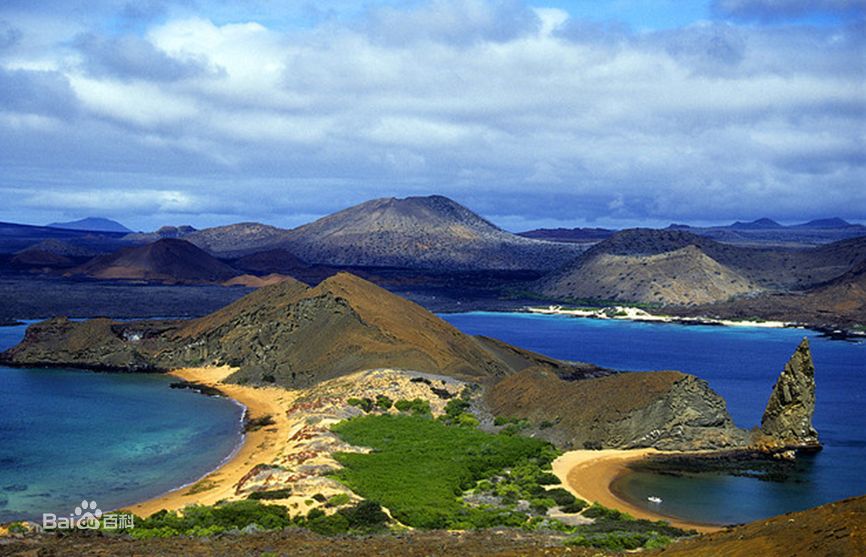
A brief introduction to the Flavor of Fine Coffee beans in the Galapagos Islands of Ecuador
Coffee treasures from the hometown of giant turtles, which are of excellent quality and do not use any chemicals when growing. Coffee is grown in San Cristobal (Saint Crstbal). St. Cristobal is a larger island in the Galapagos Islands (Galapagos Islands) and the only one in the archipelago with plenty of fresh water. At 410 meters above sea level on the island
2016-01-14 Ecuador Lapa Goss archipelago boutique coffee beans flavor profile Cologne
Introduction of Ecuador Galapagos Coffee with balanced Flavor
Galapagos Islands coffee flavor is more balanced and neutral, moderately mellow, with a little obvious but pleasant acidity, with a special aroma. However, because it is rarely seen on the market, not many Ecuadorians talk about this coffee facing the Pacific Ocean. Near the equator, which is about 900km west longitude 90 degrees off its west coast, there is also a Galapagos Islands (Galapagos Island).
2016-06-28 Flavor balanced Center sexual Ecuador Lapa Goss Coffee introduction pull
San Cristobal, the Galapagos coffee producing area of Ecuador with a unique ecological environment.
The coffee beans produced in Ecuador's Galapagos Islands are organic coffee beans, thanks to the unique ecological environment such as volcanic soil and microclimate, coupled with the fact that they do not use any chemical fertilizers or pesticides, they are recognized as natural green boutique coffee. this naturally grown coffee has a mild taste with a hint of flowers and fruit and caramel. It is understood that the Galapagos Islands are far from Eritrea.
2016-06-28 Natural thick Ecological Environment Ecuador Lapa Goss Coffee producing area Kerry
The Galapagos Coffee Manor in Ecuador, which can be made into high quality mixed coffee, has a special flavor and taste.
The Republic of Ecuador is located in northwestern South America. It is bordered by Colombia in the northeast, Peru in the southeast and the Pacific Ocean in the west. It covers an area of 256370 square kilometers and the coastline is about 930km long. The equator runs north of the border, and Ecuador means the Spanish equator. [3] Climate Ecuador is divided into the western coast, the central mountains, the eastern Amazon basin and the Galapagos Group
2016-09-02 Made quality mixed Coffee Ecuador Lapa Goss Manor producing area Wind
The producing area of boutique coffee Ecuador
Ecuador Coffee Coffee Origin: the Ecuadorian Arabica Coffee Tree was first introduced to Ecuador (Ecuador) in 1952 and its coffee quality is very good, especially the coffee harvested in early June. Ecuadorian coffee beans can be divided into two varieties: Galapagos and Gigante, both of which have the characteristics of large granules and heavy weight. Ecuadorian coffee can be classified according to its quality.
2014-09-16 Producing area of boutique coffee Ecuador
Introduction to the characteristic Variety producing areas of the Flavor description treatment method of Hassanda Coffee Garden in Ecuador
Ecuador is the highest Arabian coffee plantation in the world. The Arabian Coffee Tree was first introduced to Ecuador in 1952 and its coffee is of good quality, especially the coffee harvested in early June. Ecuadorian coffee beans can be divided into two varieties: Galapagos and Gigante, both of which have the characteristics of large particles, heavy weight, balanced acidity and rich aroma. Er
2016-10-13 Ecuador Hasunda coffee garden flavor description treatment characteristics varieties producing areas
Introduction to the unique flavor and taste of coffee from Chateau San Pedro, Ecuador
The best Ecuadorian coffee is grown on St. Cristobal Island in the Galapagos Islands, which has the unique natural geographical conditions for giving birth to the best quality coffee in the world. A cup of Galapagos coffee, like the beautiful scenery of the Galapagos Islands, is sure to impress you. In the mid-15th century, fishermen fishing in the western Pacific Ocean of South America were in the middle stream.
2016-08-23 Unique fragrance Ecuador San Pei Delo Manor Coffee Flavor taste Special
Taste mild, Ecuadorian coffee producing area manor introduces San Cristobal producing area
The coffee beans produced in Guadore's Galapagos Islands are organic coffee beans, thanks to the unique ecological environment such as volcanic soil and microclimate, coupled with the fact that they do not use any chemical fertilizers or pesticides, they are recognized as natural green boutique coffee. this naturally grown coffee has a mild taste with a hint of flowers and fruit and caramel. It is understood that the Galapagos Islands are far from Ecuador.
2016-07-12 Taste mild Ecuador coffee producing area manor introduction Crystal Val
Ecuadorian Coffee with Special aroma Manor introduces Galapagos Coffee
The Republic of Ecuador is located in northwestern South America. It is bordered by Colombia in the northeast, Peru in the southeast and the Pacific Ocean in the west. It covers an area of 256370 square kilometers and the coastline is about 930km long. The equator runs through the north of the border, and Ecuador means the central mountain of the Spanish equator: after Colombia entered Ecuador, the Andes is divided into the East and West Cordillera Mountains.
2016-08-22 Have special aroma Ecuador coffee flavor taste manor introduction pull
Introduction of coffee flavor and taste varieties of Santa Cruz Manor in Ecuador
The best Ecuadorian coffee is grown on St. Cristobal Island in the Galapagos Islands, which has the unique natural geographical conditions for giving birth to the best quality coffee in the world. A cup of Galapagos coffee, like the beautiful scenery of the Galapagos Islands, is sure to impress you. In the mid-15th century, fishermen fishing in the western Pacific Ocean of South America were in the middle stream.
2016-09-08 Unique taste Ecuador Crewe Manor Coffee Flavor Taste Variety production
Get to know Ecuadorian coffee
You may know the name of Ecuador because of football, because of the reputation of the country of bananas, or because of the rare animals and plants of the Galapagos Islands. Indeed, Ecuador, a South American country, has a long history, rich products, beautiful landscapes, strange species, and the Galapagos Islands are rich in sea turtles and lizards.
2014-09-02 Ecuadorian coffee fine coffee
Introduction to the characteristics and taste of high-quality coffee beans in the coffee flavor variety producing area of Hassanda Coffee Garden in Ecuador
The coffee beans produced in Ecuador's Galapagos Islands are organic coffee beans, thanks to the unique ecological environment such as volcanic soil and microclimate, coupled with the fact that they do not use any chemical fertilizers or pesticides, they are recognized as natural green boutique coffee. this naturally grown coffee has a mild taste with a hint of flowers and fruit and caramel. It is understood that the Galapagos Islands are far from Eritrea.
2016-09-23 Ecuador Hasenda coffee garden coffee flavor variety producing area boutique
Introduction to Hasunda Coffee Garden in Ecuador
According to Ms. Malena, Consul General of the Consulate General of Ecuador in Guangzhou, Ecuador is located in South America, and the equatorial line runs through the country, so it is also known as the country of the equator. its superior geographical location, fertile soil and special climatic conditions create a superior natural environment for coffee bean cultivation, while most countries in the world are rich in only one kind of coffee beans, while Ecuador is less in the world.
2016-07-12 Ecuador Coffee Manor producing area Flavor Taste introduction Hasenda Coffee Garden
Introduction of Santa Cruz Manor in Ecuador Coffee Flavor Manor
Today, almost all of the Galapagos Islands coffee on the market comes from the third largest island of the Galapagos Islands in San Cristobar (San Cristbal Island). Santa Cruz Manor Coffee, as its name implies, comes from the second largest island, Santa Cruz (Santa Cruz Island). Santa Cruz Island is located in the very center of the Galapagos archipelago, and it is said that this geography
2016-07-18 Ecuador coffee flavor taste manor producing area introduction Crewe today market
Introduction to Hasunda Coffee Garden in Ecuador Coffee Flavor Manor
Mr. Veniso, winner of the 2014 Ecuador Coffee Competition, told reporters that some of the Ecuadorian coffee is espresso made from Ecuadorian alpine coffee beans. This coffee comes from a mountain area about 1000 to 2000 meters above sea level and has a mellow taste with aromas and sweetness of fruit, grass and chocolate. Some add thin coffee from the Amazon region to this espresso.
2016-07-15 Ecuador coffee flavor taste manor producing area introduction Hasenda coffee garden
Introduction to Galapagos Coffee in Ecuador Coffee Manor
The Republic of Ecuador is located in northwestern South America. It is bordered by Colombia in the northeast, Peru in the southeast and the Pacific Ocean in the west. It covers an area of 256370 square kilometers and the coastline is about 930km long. The equator runs north of the border, and Ecuador means the Spanish equator. [3] Climate Ecuador is divided into the western coast, the central mountains, the eastern Amazon basin and the Galapagos Group
2016-08-12 Ecuador coffee manor producing area characteristics flavor taste boutique coffee beans
Introduction of coffee, coffee and bean producing countries in Ecuador
The Arabian Coffee Tree was first introduced to Ecuador (Ecuador) in 1952 and its coffee is of good quality, especially the coffee harvested in early June. Ecuadorian coffee beans can be divided into two varieties: Galapagos and Gigante, both of which have the characteristics of large granules and heavy weight. Ecuadorian coffee can be divided into first class (No.1) and excellent (Extra Superior) according to its quality.
2015-04-17 Ecuador coffee coffee beans country of origin introduction Arab Shuyu 19